
Why Is My Furnace Making Noise? Causes and Solutions
calendar_month
October 26, 2026
folder
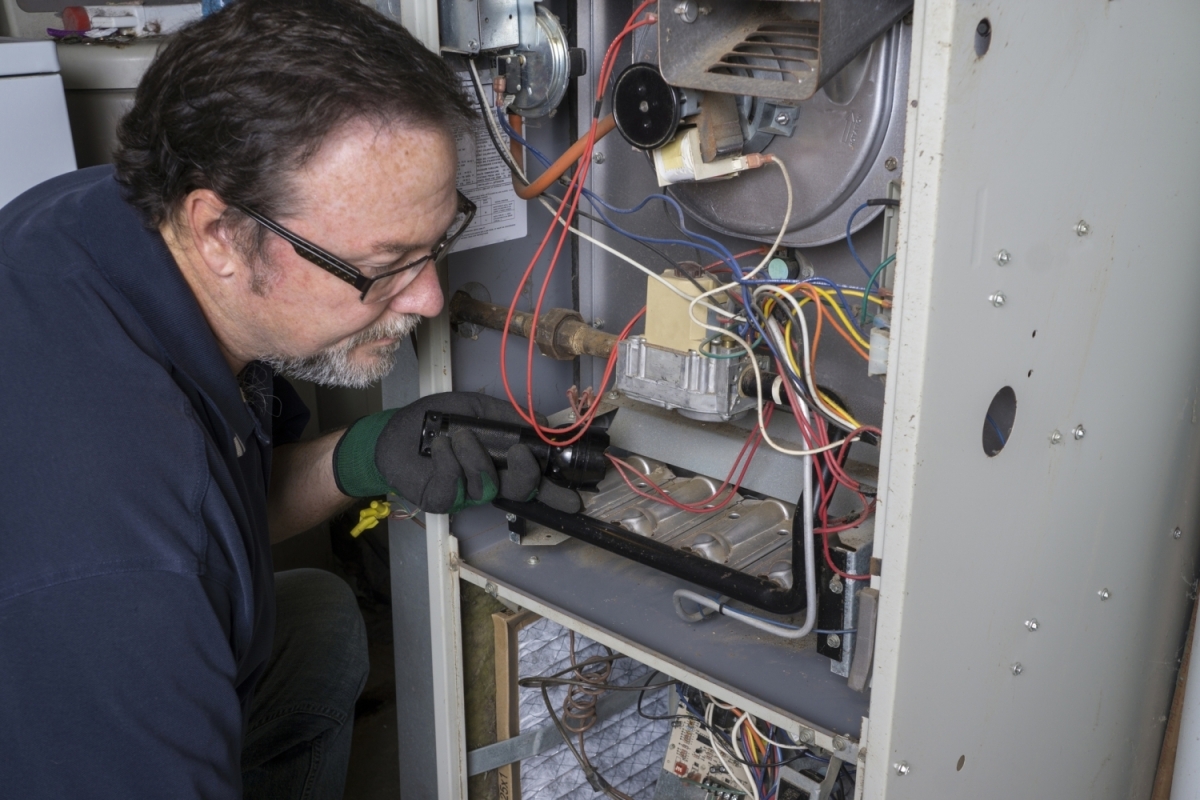
A furnace making strange noises in Rochester Hills is usually trying to tell you something. Buzzing, banging, squealing, and rattling often point to a worn part, a dirty component, or an airflow problem, and most of them get worse when ignored. Professional furnace repair is the safest fix for anything beyond a loose panel or a dirty filter.
With Michigan temperatures dropping, now is the time to sort out odd sounds before your system runs around the clock. We're covering what each noise usually means, what you can safely check yourself, and when it is time to call a pro.
Furnace Troubleshooting at a Glance
- Buzzing, banging, squealing, and rattling each point to different furnace problems, and most get worse without attention.
- A few sounds at startup are normal, but loud, repeated, or brand-new noises deserve a closer look.
- Simple checks like replacing a dirty filter can solve some noises, but electrical and gas components need a licensed technician.
- Burning smells, grinding, or a carbon monoxide alarm mean you should shut the system off and call right away.
- A fall tune-up catches worn parts before they turn into cold-weather breakdowns.
Why Is My Furnace Making a Buzzing Noise?
A furnace making a buzzing noise usually points to an electrical or motor problem. These parts control your blower and inducer fan, so a buzz that keeps coming back is worth a professional look. The cause is often inexpensive to fix when it is caught early.
Failing Capacitors and Electrical Connections
A capacitor gives your blower or inducer motor the jolt it needs to start. When it weakens, the motor may hum or buzz without turning, and heat may never arrive. Loose wiring or a humming transformer can create similar sounds, and both call for a technician because they involve live electrical components.
Worn Blower or Inducer Motors
Motors that are dry, dirty, or nearing the end of their life often buzz or hum before they fail. Our technicians see this most often when a furnace has gone a few seasons without a tune-up. Replacing a motor during a scheduled visit is far easier than dealing with a total loss of heat on the coldest night of the year.
Loose Panels and Vibration
Sometimes the fix is simple. A loose access panel or a missing screw can vibrate when the blower runs. With the furnace turned off at the thermostat, you can confirm the panel is seated and secure. If the buzzing continues, stop troubleshooting and schedule service.
Why Does My Furnace Squeal, Screech, or Grind?
High-pitched squealing usually comes from worn motor bearings or, on older belt-driven blowers, a slipping belt. Either one means a moving part is under strain. Left alone, the problem can lead to a burned-out motor and a much bigger repair bill.
Grinding is more serious. It often means a bearing has failed or metal is rubbing against metal inside the blower assembly. If you hear grinding, shut the furnace off at the thermostat and call for furnace troubleshooting right away.
Here is a quick reference for the most common furnace sounds and what they often mean:
- Buzzing or humming: Capacitor, transformer, motor, or loose panel
- Banging or popping: Expanding ductwork or delayed ignition
- Rattling: Loose panels, debris, or a worn blower wheel
- Squealing or screeching: Worn bearings or a slipping belt
- Grinding: Failed bearings or metal-on-metal contact
What Can I Safely Check Before Calling for Furnace Service?
A few simple checks can rule out easy fixes. Work through these steps with the furnace turned off, and stop as soon as you reach anything involving gas, wiring, or the inside of the cabinet:
- Replace the air filter if it looks dirty or has not been changed in the last one to three months.
- Make sure supply vents and return grilles are open and not blocked by furniture or rugs.
- Confirm the thermostat is set to "heat" and the fan is on "auto."
- Check that the furnace access panel is closed and fully seated.
- Turn the system back on and listen. If the noise remains, schedule service.
Never remove internal parts or attempt to adjust gas or electrical components yourself. Those repairs require training, tools, and licensing for good reason.
When Is a Furnace Noise an Emergency?
Some sounds should not wait for a convenient appointment. Turn the furnace off and call right away if you notice any of the following:
- A loud bang or boom when the furnace ignites
- Grinding or screeching that does not stop
- A burning smell, smoke, or the smell of gas
- A carbon monoxide alarm sounding
If you smell gas or your carbon monoxide detector goes off, leave the home and call your gas utility or 911 from outside. The U.S. Consumer Product Safety Commission offers clear guidance on carbon monoxide safety. For anything else that cannot wait, Pilot Mechanical offers emergency furnace service 24 hours a day.
How Does Furnace Maintenance Prevent Noisy Problems?
Most furnace noises trace back to dirt, wear, or loose parts, and regular furnace maintenance targets exactly those issues. During a tune-up, a technician cleans burners, inspects electrical connections, checks the blower and motors, and tests safety controls. Small problems get fixed before they become loud ones.
We recommend a "Clean and Check" in the fall for your heating system, ideally before the first hard freeze. If you want to make it a habit, our maintenance packages make it easy to stay on schedule.
Frequently Asked Questions About Noisy Furnaces
Is it normal for a furnace to make noise when it starts up?
Yes, some noise is normal. You may hear a soft click as the igniter and gas valve engage, followed by the whoosh of the burners and the blower spinning up. Ducts may also tick or pop briefly as they warm. If the sound is loud, lasts longer than a few seconds, or is new to you, have it checked.
Should I repair or replace a furnace that makes noise?
It depends on the cause, the furnace's age, and the cost of the repair. A worn capacitor or dirty burners are usually affordable fixes on a system that is otherwise healthy. If your furnace is over 15 years old or breaks down often, a technician may suggest furnace replacement as the more cost-effective option. We walk you through both choices before any work begins.
What does furnace repair cost with Pilot Mechanical?
Costs vary by system type and the part involved. Pilot Mechanical uses flat-rate pricing, so you receive a clear estimate before any work starts. There are no surprise fees or unnecessary upcharges.
Enjoy a Quiet Furnace and a Warm Home
Strange furnace noises are early warnings, and buzzing, banging, squealing, and grinding each point to a different problem. Simple checks can rule out easy fixes, but electrical, gas, and motor issues need a licensed technician. A fall tune-up is the best way to keep your furnace quiet and reliable all winter.
Schedule Your Furnace Repair in Rochester Hills Today
Don't wait for a noisy furnace to turn into a no-heat emergency. Call Pilot Mechanical at (248) 453-5432 or contact us online to book fast, reliable furnace service with upfront pricing.
